A Range You Can Use Today
Most straightforward reconnections are finished in a single visit, so the kitchen is back tonight.
The delivery crew set it down and left. That's normal — connecting gas is licensed work they aren't contracted to do. Omaha Drain finishes the job: shutoff valve, approved connector, leak test, and a range you can actually cook on tonight.


Once the utility has shut the gas off and cleared the property, call us and we'll find and repair the leak.
Appliance retailers almost never connect gas. Their delivery contract covers getting the unit into your kitchen, not making a gas connection — that's licensed work. So you're left with a new range, an open stub behind it, and a kitchen you can't cook in.
Then there's the version of this job people try themselves. A reused flex connector, a shutoff that won't turn, or a stub that was capped fifteen years ago and never inspected. Those are the calls we get at 10pm.
We connect the range with a new appliance connector of the right length and capacity, install or replace the shutoff so you can reach it without pulling the stove out, and leak check every joint before the unit goes back against the wall.
If there's no gas to the kitchen yet, that's a different job — we'll size and run the line for the load your system is already carrying, so adding a range doesn't starve your furnace or water heater.
.avif)
Most straightforward reconnections are finished in a single visit, so the kitchen is back tonight.
Every connection is tested before the range is pushed back. A slow leak behind a stove is the one you don't smell for weeks.
If the valve is seized or buried, we replace it. In an emergency you shouldn't have to move an appliance first.
We check the existing stub, shutoff, and clearance, and confirm what your new range actually requires.
New connector, shutoff replaced if needed, and the range set with the anti-tip bracket verified.
We leak check every joint and confirm the burners light and hold before we pack up.
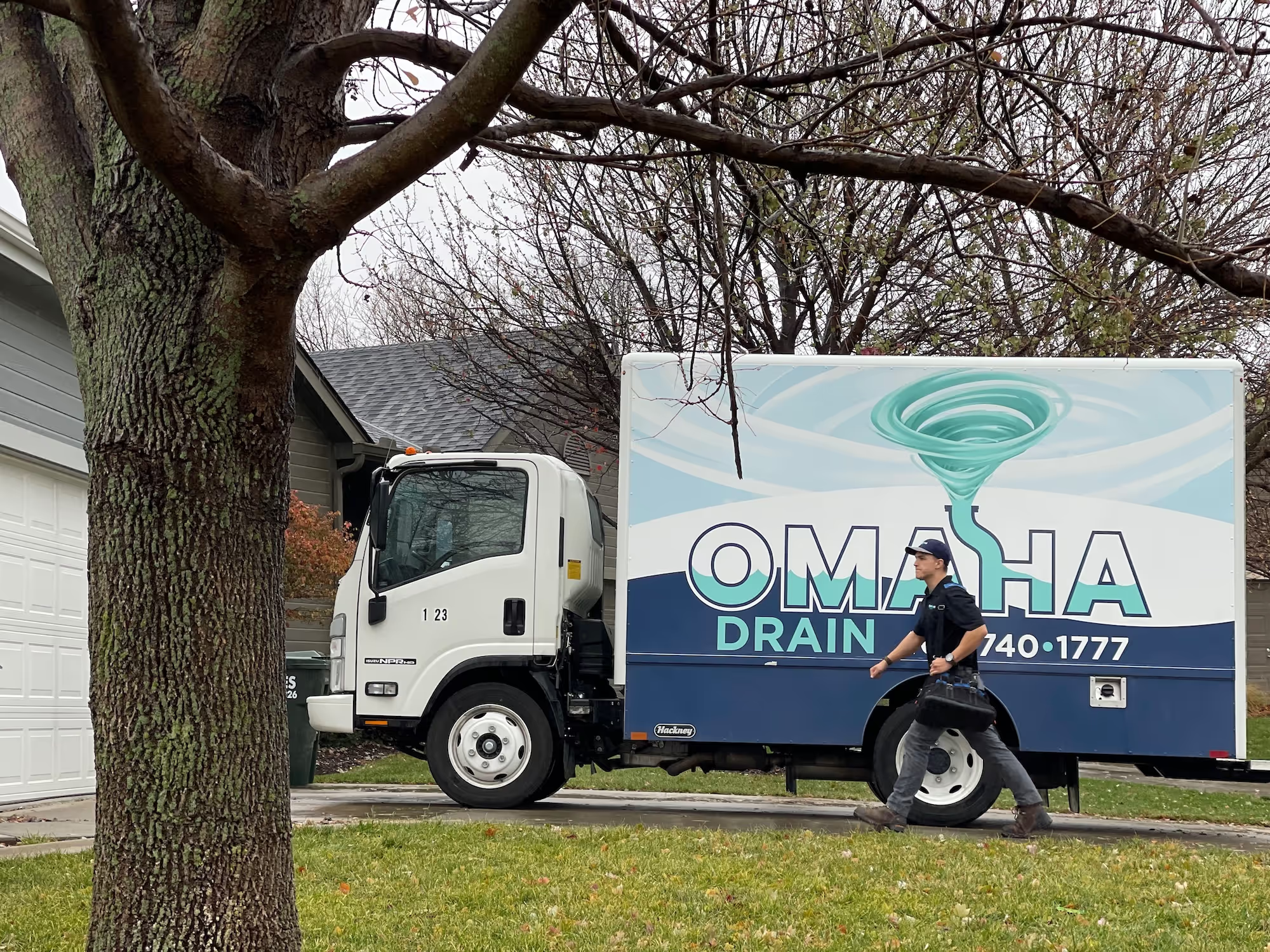
See why homeowners across the metro call us when an appliance needs a gas connection done right.
Most retail delivery crews are contracted to set the appliance in place and nothing more. Making a gas connection is licensed work, so the crew will typically leave the range in your kitchen unconnected. That is normal, and it is the reason most people end up calling us the same week their new range arrives.
Often yes, but it depends on whether gas is already available near the kitchen and whether your system has capacity for another appliance. If there is no line to the kitchen, we run one and size it for the load already on the system. We will tell you what the run involves before you buy the range, not after.
Reconnecting a range to an existing, code-compliant gas stub and shutoff usually does not require a permit. Running a new line or altering existing piping generally does. We tell you which category your job falls into before we start, and we pull the permit and coordinate the inspection when one is required.
Sometimes, but not always, and old connectors should never be reused. We install a new appliance connector of the correct length and capacity for your range, along with a shutoff valve you can actually reach. Reusing a kinked or previously bent connector is one of the more common causes of a slow leak behind a stove.
A straightforward reconnection to an existing stub is usually well under an hour, including the leak check. If the shutoff has to be replaced, the stub relocated, or a new line run to the kitchen, it takes longer and we will quote it before starting.
Call and talk to a local expert now, or book a hookup online and stop eating takeout.