%20(1).avif)
Discovering water around your basement or utility room floor drain can be unsettling. At first glance, it may seem like a minor spill or a little condensation, but standing water near a floor drain is often your home's way of telling you that something isn't working properly.
Floor drains are designed to move water away from your home, helping protect your basement, laundry room, or utility area from flooding and water damage. When water begins pooling around the drain instead of flowing through it, there may be an underlying plumbing issue that needs attention.
Understanding the possible causes can help you act quickly and prevent a small problem from turning into a major plumbing emergency with floor drain cleaning.
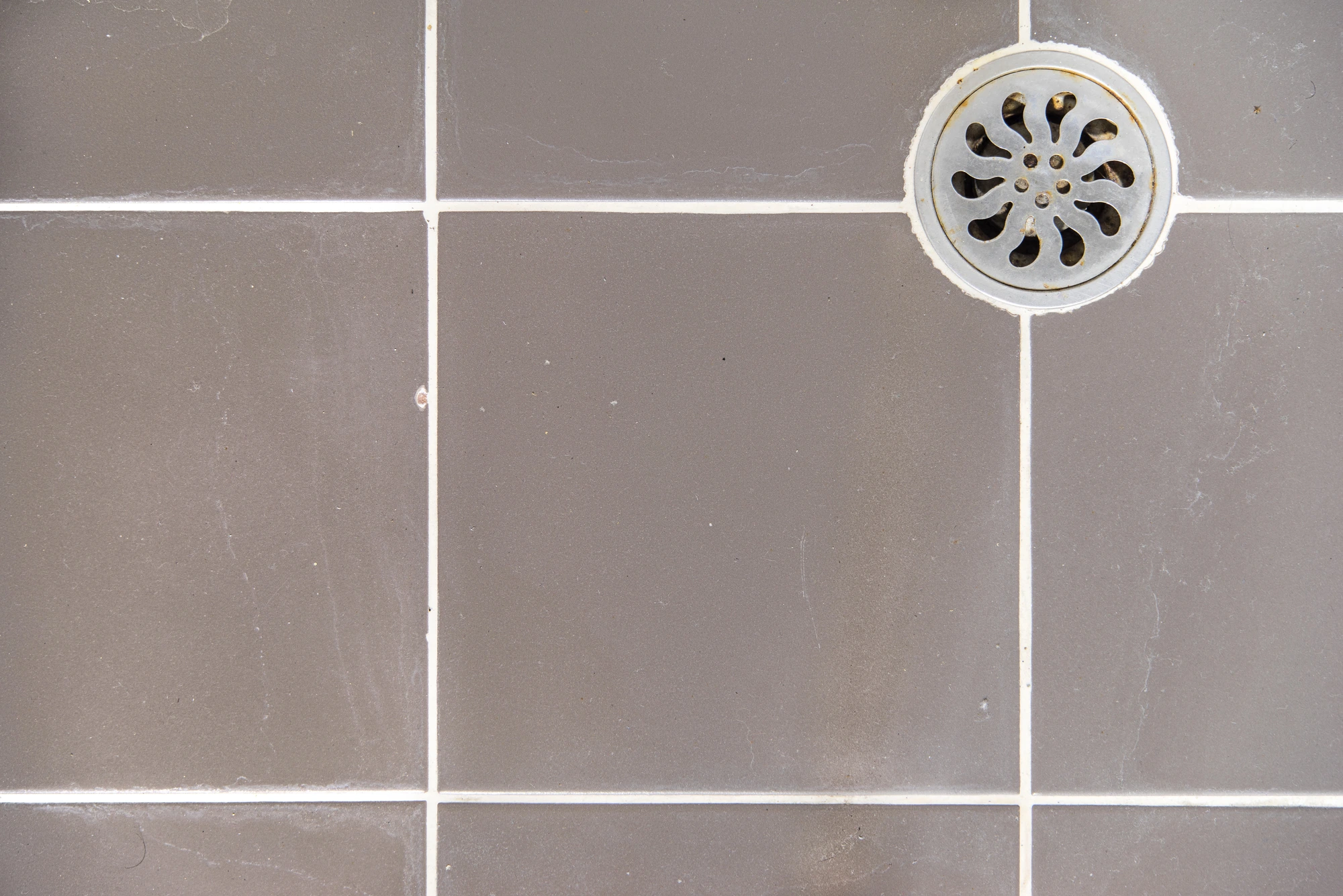
Understanding the Purpose of a Floor Drain
Many homeowners rarely think about their floor drains until something goes wrong. However, these drains play an important role in protecting your property.
Why Your Home Has a Floor Drain
Floor drains are commonly installed in areas where water is more likely to accumulate, including:
- Basements
- Laundry rooms
- Utility rooms
- Garages
- Mechanical rooms
Their job is to safely direct excess water into your home's drainage system. Whether it's from a leaking appliance, a minor flood, or routine maintenance, the drain helps keep water from collecting on your floors.
Why Standing Water Is a Warning Sign
Under normal conditions, water should flow into the drain quickly. If you notice water collecting around the drain, it often means there is a blockage or backup somewhere in the system.
While the issue may be as simple as a clogged drain, it could also point to a larger sewer line problem.
A Clogged Floor Drain May Be the Problem
One of the most common reasons for water around a floor drain is a clog. Over time, debris gradually builds up inside the drainpipe. Dirt, soap residue, lint, grease, and other materials can collect along the pipe walls, restricting water flow.
Everyday Debris Can Add Up
Common causes of floor drain clogs include:
- Dust and dirt
- Laundry lint
- Hair
- Soap scum
- Grease and oil
- Small household debris
- Pet hair
As these materials accumulate, water begins draining more slowly until it eventually pools around the drain itself.
You may also notice additional warning signs, including:
- Gurgling noises
- Slow drainage
- Foul odors
- Water that lingers after use
If these symptoms continue returning, the blockage may extend deeper into your plumbing system.

Water Around the Drain Could Mean a Main Sewer Line Problem
Sometimes, the issue isn't the floor drain at all. Instead, the problem may lie within your home's main sewer line.
The main sewer line carries wastewater from every drain and plumbing fixture in your house. If it becomes blocked, water can back up through the lowest drain in the home, which is often the basement floor drain.
When Multiple Fixtures Are Affected
A clogged sewer line usually creates problems throughout the house rather than in just one location.
Signs of a Possible Sewer Line Blockage
- Water backing up through the floor drain
- Multiple slow drains
- Gurgling toilets
- Sewage odors
- Frequent drain clogs
- Water backing up when using other plumbing fixtures
Several issues can contribute to sewer line problems, including tree root intrusion, grease buildup, aging pipes, and debris that should never have been flushed.
Because sewer line problems can quickly lead to sewage backups and significant property damage, professional diagnosis is highly recommended. Many plumbers use sewer camera inspections to locate the exact source of the blockage without unnecessary digging, allowing for faster and more accurate repairs.
Nearby Appliances Could Be the Source
Before assuming the floor drain itself is clogged, it's worth checking nearby appliances.
Water heaters, washing machines, utility sinks, HVAC systems, and water softeners are often located close to floor drains. A leak from one of these appliances can create puddles that appear to be coming from the drain.
Inspect hoses, fittings, valves, and surrounding areas for signs of moisture. If no obvious appliance leak is present, the drain itself may require professional attention.
Why You Shouldn't Ignore Water Around a Floor Drain
Even if the amount of water seems minor, ignoring the problem can lead to much larger issues over time. Standing water creates an environment where mold and mildew can develop, potentially affecting indoor air quality and causing damage to flooring and nearby building materials.
More importantly, a recurring floor drain issue may be an early warning sign of a developing sewer backup.
Professional floor drain cleaning removes stubborn blockages while also helping identify hidden issues within the drainage system.
Services such as hydro jetting and sewer camera inspections can provide long-term solutions by thoroughly cleaning pipes and locating underlying problems before they become emergencies.
Frequently Asked Questions About Floor Drain Problems
Why is water coming up through my floor drain?
This often indicates a blockage somewhere in the drainage or sewer system. A clogged floor drain or main sewer line backup are common causes.
Can a clogged floor drain cause basement flooding?
Yes. If water cannot properly drain away, it may accumulate in the basement, especially during appliance leaks or heavy rainfall.
How do plumbers diagnose recurring floor drain problems?
Professional plumbers often use sewer camera inspections to locate clogs, damaged pipes, or root intrusion that may be causing repeated backups.
When should I call a professional plumber?
If water repeatedly returns, multiple drains are slow, you notice sewage odors, or water backs up through the floor drain, it's time to schedule a professional inspection.
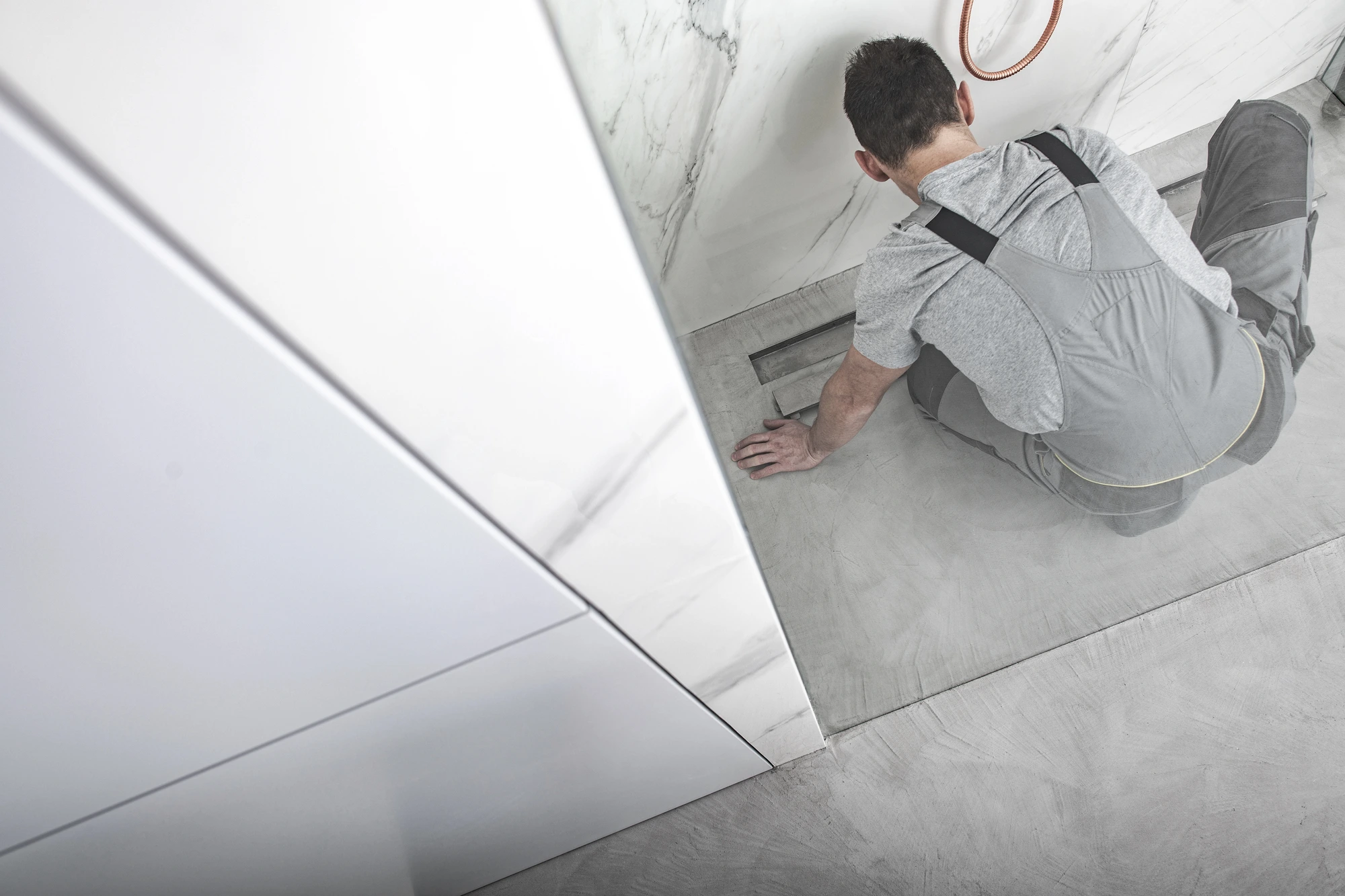
Protect Your Home with Expert Floor Drain Cleaning
Water around your floor drain may seem like a small inconvenience, but it can often be the first indication of a much larger plumbing issue. Whether the cause is a simple clog, a blocked sewer line, or excess groundwater, addressing the problem early can help prevent costly repairs and serious water damage.
Our experienced team at Omaha Drain provides professional plumbing services designed to keep your home's drainage system working properly. If you've noticed water around your floor drain or suspect a sewer problem, don't wait for the situation to get worse.
Contact Omaha Drain today for expert plumbing services and dependable solutions that help protect your home and your peace of mind.


