%20(1).avif)
Plumbing issues rarely happen at convenient times. A leaking pipe at midnight, a toilet overflowing before guests arrive, or water pooling in the basement can leave you wondering: should you call for help immediately, or wait until regular hours? The answer depends on the situation. Knowing the difference between urgent and routine plumbing needs can save you stress, money, and even prevent serious property damage. For homeowners in Nebraska, contacting an emergency plumber in Omaha offers peace of mind when quick action is necessary.

What Counts as a Plumbing Emergency?
Not all plumbing issues are created equal. A dripping faucet may be annoying, but it rarely requires immediate attention. Emergencies, on the other hand, threaten your home’s safety, health, or property value. Examples include:
- Burst pipes causing active flooding.
- Sewer backups releasing contaminated water indoors.
- A broken water heater leaking rapidly.
- Toilet clogs in homes with only one bathroom.
These situations escalate quickly, making it vital to call an emergency plumber before the damage worsens.
Common Situations That Can Wait
Some problems can be safely addressed during a scheduled appointment. These include:
- Minor faucet leaks.
- Small clogs that still allow water to drain.
- Slow-moving sinks or tubs without visible backups.
- Routine maintenance needs, such as drain cleaning or inspections.
If the issue doesn’t involve flooding, sewage, or lack of running water, it’s usually safe to hold off until normal business hours.
Risks of Waiting Too Long
While some issues seem minor, delaying a response can turn them into costly emergencies. A small leak under the sink, for example, may soak into cabinets or flooring if ignored. Likewise, a slow drain may indicate a larger clog further down the system. By the time water backs up, the damage is already underway. The cost of waiting often outweighs the convenience of delaying service.
How to Decide: Emergency or Routine?
Ask yourself these three questions:
- Is water actively flooding or backing up into the home?
- Is there a risk to your family’s health, such as sewage or contaminated water?
- Will waiting cause property damage?
If you answer “yes” to any of these, calling an emergency plumber is the safest choice. If not, you may be able to wait until business hours.
Benefits of Calling an Emergency Plumber
Emergency plumbers are equipped to respond quickly and effectively. Key benefits include:
- Rapid response: Many are available 24/7 for urgent calls.
- Expertise under pressure: They are trained to stabilize critical issues.
- Peace of mind: Immediate help reduces stress and uncertainty.
- Damage prevention: Stopping water flow or sewage backups quickly protects your home.
Even if the situation feels overwhelming, professional help ensures it is handled safely and correctly.
Preventive Steps to Reduce Emergencies
While emergencies can’t always be avoided, preventive care lowers the risk. Homeowners can:
- Schedule routine drain and sewer cleaning.
- Have pipes inspected with a camera every few years to ensure optimal performance and prevent potential issues.
- Replace old or corroded pipes before they fail.
- Know the location of the main water shut-off valve.
These measures minimize surprises and keep your plumbing in reliable condition.
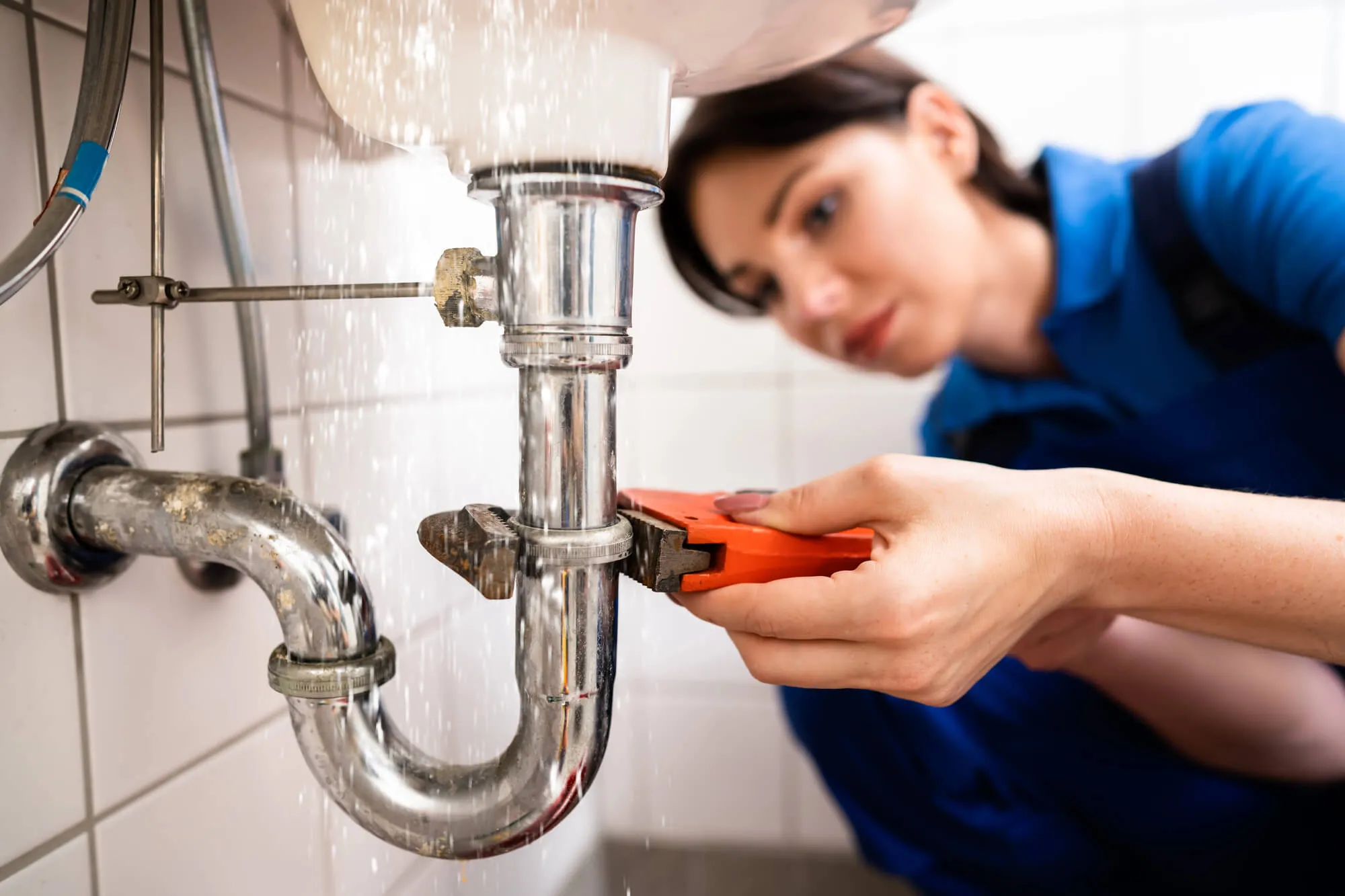
Do You Need an Emergency Plumber in Omaha?
Deciding whether to call an emergency plumber depends on the urgency of the situation. Minor inconveniences can usually wait, but any problem that poses a risk of flooding, contamination, or serious damage requires immediate action. Don’t gamble with your home’s safety. If you’re facing an urgent plumbing issue, schedule your service today with Omaha Drain. Their award-winning team offers same-day appointments, free camera inspections, and reliable care to keep your household running smoothly.


