%20(1).avif)
Toilet issues can start subtly—an occasional clog, a small puddle around the base, or a tank that runs longer than usual. Many homeowners tend to overlook these issues until the problem becomes more difficult to ignore. Knowing whether your toilet needs a quick adjustment or a complete replacement saves time, stress, and water damage. If you’ve been searching for toilet repair in Omaha, understanding the difference helps you take the right steps before a minor issue turns into a bigger one.

Why Toilets Start Showing Problems Over Time
Toilets last for years, but daily use and internal wear gradually affect how well they function. Understanding the common causes behind toilet issues makes it easier to determine whether a repair will help or if the fixture is nearing the end of its lifespan.
Age-Related Wear and Tear
Most toilets last around 10–15 years before they begin to show signs of age. Over time, components such as the flapper, fill valve, supply line, or wax ring can begin to deteriorate. Older toilets may also develop small cracks in the tank or bowl. These problems often worsen gradually, so homeowners may not notice them until leaks or inconsistent flushing appear.
Mineral Buildup From Hard Water
If your water has high mineral content, deposits can form inside the toilet’s jets and internal components. This buildup weakens the flush and limits water flow. In some cases, a thorough cleaning restores performance. In others, the buildup becomes so advanced that replacement becomes more practical.
Outdated or Inefficient Fixtures
Older toilets often use far more water per flush than modern models. If a toilet struggles to clear waste or frequently clogs despite proper use, it may not be equipped to meet current plumbing standards. Inefficiency doesn’t always require immediate replacement, but it does signal that the fixture may no longer function as it should.
Early Signs a Simple Repair Might Solve the Problem
Not every toilet issue requires a new fixture. Many concerns come from worn-out parts that can be replaced quickly and affordably.
Continuous Running or Hissing Sounds
A toilet that keeps running usually has a failing flapper, a worn fill valve, or an issue inside the tank’s internal mechanisms. These are small parts that can be easily swapped out without requiring the replacement of the entire toilet. The running water may seem minor, but it increases water usage and utility bills over time.
Minor Leakage Around the Base
A small puddle forming around the toilet base often means the wax seal is worn or damaged. Replacing the seal usually fixes the leak and stabilizes the fixture. As long as the toilet bowl or tank isn’t cracked, this problem is typically solved with a straightforward repair.
Weak or Slow Flush
A weak flush is often related to mineral buildup inside the rim jets or a problem with the flapper mechanism in the tank. Cleaning or replacing a few components usually restores full flushing power. If the toilet is relatively new and the porcelain is in good condition, a repair is usually sufficient.
Loose or Wobbly Toilet
A wobbling toilet might seem alarming, but it’s often caused by loose floor bolts or a worn wax ring. Tightening the bolts or replacing the ring fixes the issue. However, if the toilet rocks due to damaged flooring, that’s a separate concern that may require additional repair work around the base.
When a Repair Isn’t Enough: Signs You Need a Full Replacement
Some toilet issues can’t be solved with new parts. When structural problems or repeated failures happen, a replacement becomes the safer and more cost-effective option.
Cracks in the Tank or Bowl
Even small cracks can lead to sudden leaks or water damage. While tiny hairline cracks may remain stable for a while, they often expand under pressure. If you see cracks anywhere on the toilet, replacement is usually recommended to avoid flooding or long-term water loss.
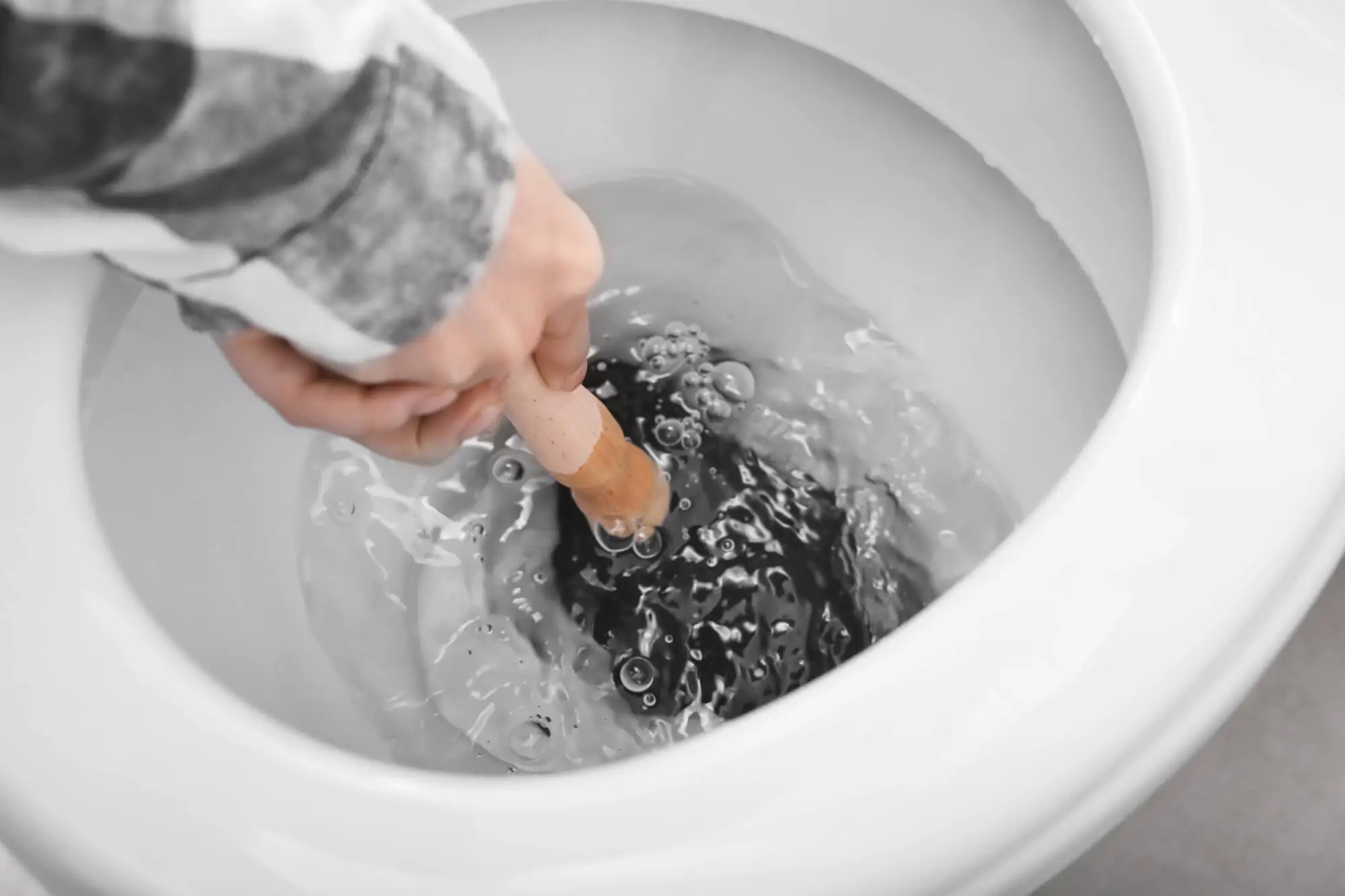
Frequent Clogging Despite Proper Use
If your toilet clogs often—even when used correctly—your fixture may be outdated or the internal passages may have narrowed. Older designs weren’t built to handle modern plumbing use. At this point, replacing the toilet can reduce frustration and improve long-term performance.
Repeated Repairs Within a Short Time
If you’ve replaced the flapper, fill valve, supply line, and wax ring within a short timeframe, the toilet may be nearing the end of its lifespan. Continuous repairs become more expensive than simply installing a new unit.
Inefficient Water Consumption
Older toilets often use three to seven gallons per flush. Modern toilets use far less water while delivering better performance. If your water bill keeps climbing or the toilet struggles to clear waste, upgrading to a more efficient model can make a noticeable difference.
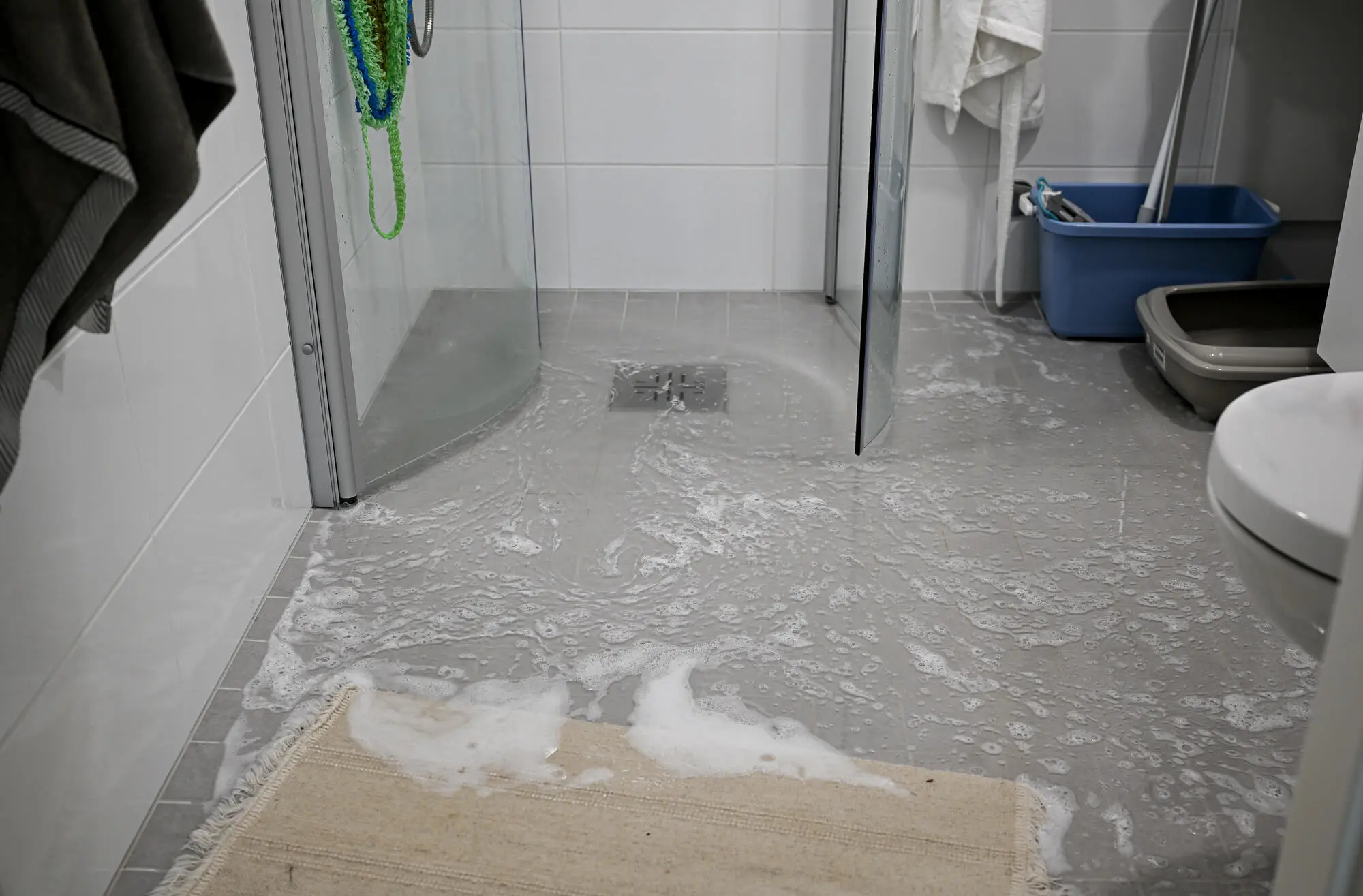
Persistent Leaks or Moisture Around the Toilet
Some leaks are easy to fix—but if you continue seeing moisture at the base after multiple repairs, the porcelain or internal connections may be worn out. At that point, replacement becomes the safer option.
How Professionals Determine Whether to Repair or Replace
A trained technician evaluates more than just the visible symptoms. They look at the toilet’s age, structural integrity, water usage, and internal components. A professional assessment helps you avoid unnecessary replacement while still addressing the underlying concern.
Inspection of Components and Water Flow
Experts check how well each part inside the tank is functioning. They also assess water pressure, mineral buildup, and whether the toilet’s design is still suitable for the home’s plumbing system.
Testing for Hidden Leaks
Not all leaks are visible. Technicians often use dye tests, moisture meters, or visual inspection to find hidden water damage beneath or behind the toilet.
Evaluation of Fixture Stability
A wobbling toilet can signal damaged flooring or corroded hardware. Professionals determine whether the issue is easy to fix or if the foundation and plumbing require more extensive work.
Why Handling Toilet Issues Early Saves Money and Stress
Small toilet issues rarely stay small. A slow leak can seep into floors, causing hidden water damage. Weak flushing can grow worse and lead to backups. Parts inside the tank wear down, affecting performance throughout the home.
Acting early protects your flooring, prevents mold, reduces water waste, and helps you avoid unexpected plumbing emergencies. Whether you choose a repair or a replacement, fast action restores comfort and stability in your bathroom.
Why Acting Early on Toilet Repair in Omaha Helps Protect Your Home
Toilet problems escalate faster than most homeowners expect. Knowing when a repair is enough or when a full replacement is the smarter option helps protect your home from water damage, clogs, and sudden leaks. A professional evaluation provides clarity and helps prevent ongoing issues from impacting your daily routine.
Need reliable help? Omaha Drain handles toilet leaks, clogs, weak flushing, loose bases, worn wax rings, cracked tanks, and full toilet replacements. Our team works quickly, keeps your bathroom clean, and makes sure the toilet is installed or repaired the right way the first time. Reach out anytime for dependable support from a team that treats your home with care and respect.


