%20(1).avif)
You flush the toilet and expect everything to disappear like normal. Instead, you hear a soft gurgle from the basement. A few seconds later, water begins rising through the floor drain as it has nowhere else to go. It’s one of those moments that instantly shifts the mood in your home. If you’re seeing this happen and thinking about floor drain cleaning, you’re not overreacting. This is often a sign that something deeper in the plumbing system needs attention.
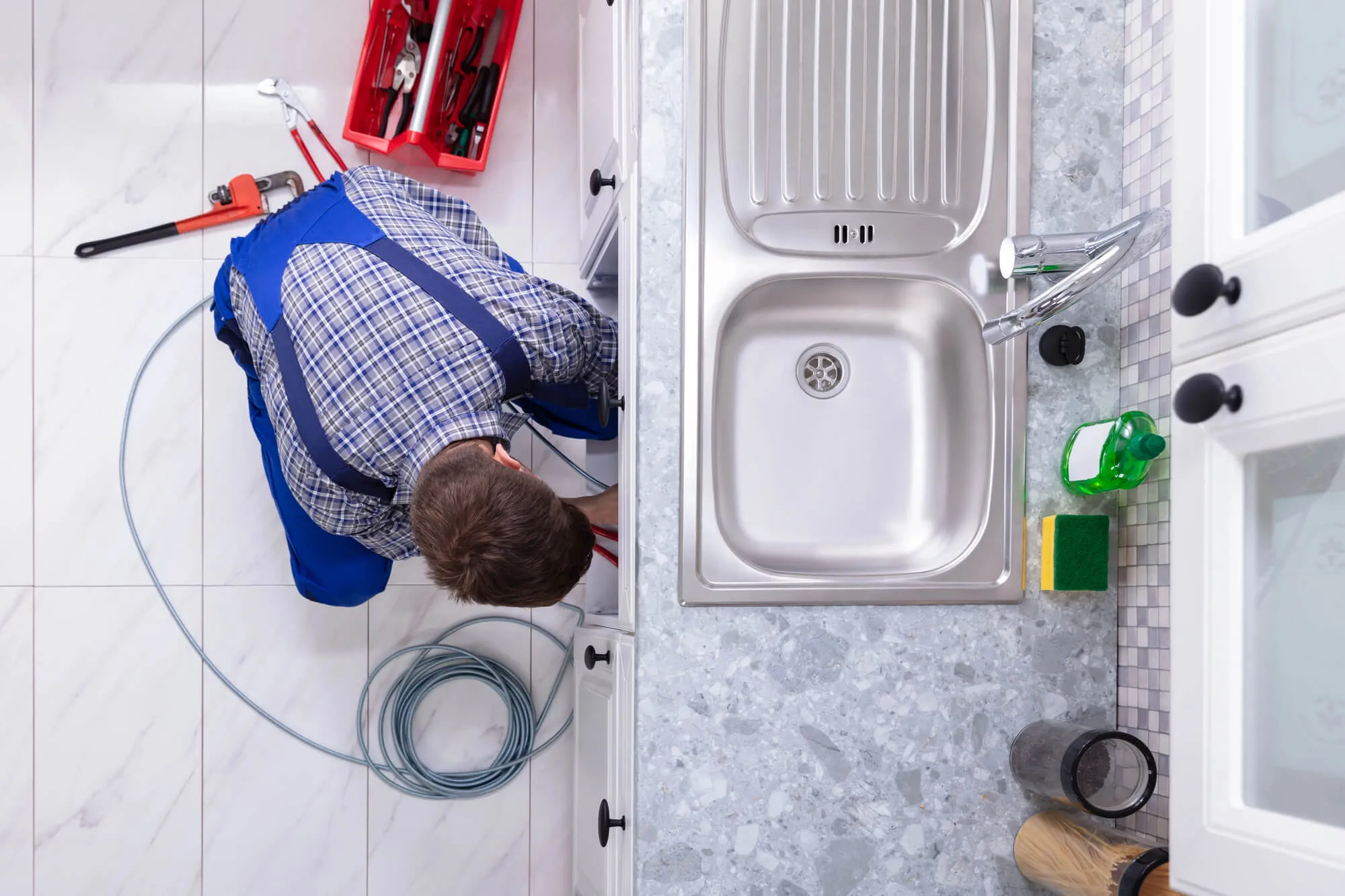
Why Water Comes Up Through a Floor Drain After Flushing
A floor drain usually sits at one of the lowest points in your home, often in the basement or laundry room. That location makes it a common exit point when wastewater can’t flow through the sewer line the way it should. Flushing adds a sudden rush of water and pressure to the system. If there’s a restriction in the main line, that water looks for the easiest way out.
Your Floor Drain Is Connected to the Same System
Even though the floor drain seems separate from your toilet, it is often tied into the same drain line. If the line has a buildup or a blockage, flushing can trigger a backup in places you don’t expect. This explains why the floor drain reacts even when the toilet itself still drains.
The Main Sewer Line May Be Partially Blocked
A partial blockage means water can still move through the line, but not fast enough. When a toilet flush pushes extra water through, the system struggles to keep up. That pressure forces wastewater backward, and the lowest drain becomes the release point.
Heavy Rain Can Make the Problem Worse
In some situations, heavy rain increases the load on sewer systems. If the underground line is already restricted, extra flow can push conditions into a backup. This is especially noticeable in basements with floor drains.
What to Do Right Away to Limit Damage
A backup can spread quickly, so early steps matter. The goal is to limit water movement while keeping the area safe.
Stop Using Water Immediately
Avoid flushing again. Do not run the sink, shower, dishwasher, or washing machine. Every fixture adds more water to the system, increasing the backup risk. Keeping water use low prevents the problem from worsening while you decide what to do next.
Keep People and Pets Away From the Area
If the water appears cloudy, has debris, or smells foul, treat it as contaminated. Basement backups may involve wastewater that can carry bacteria. Block off the area, especially if children or pets have access to the space.
Ventilate the Space if Odors Are Strong
Open windows if possible. Turn on fans if they can run safely without contact with water. Good airflow helps reduce odors while you handle the next steps.
Document What You’re Seeing
If you plan to call for service, a quick photo can help. Take note of what triggered the backup. Was it flushing, running laundry, or heavy rain? These details help narrow down what’s happening.
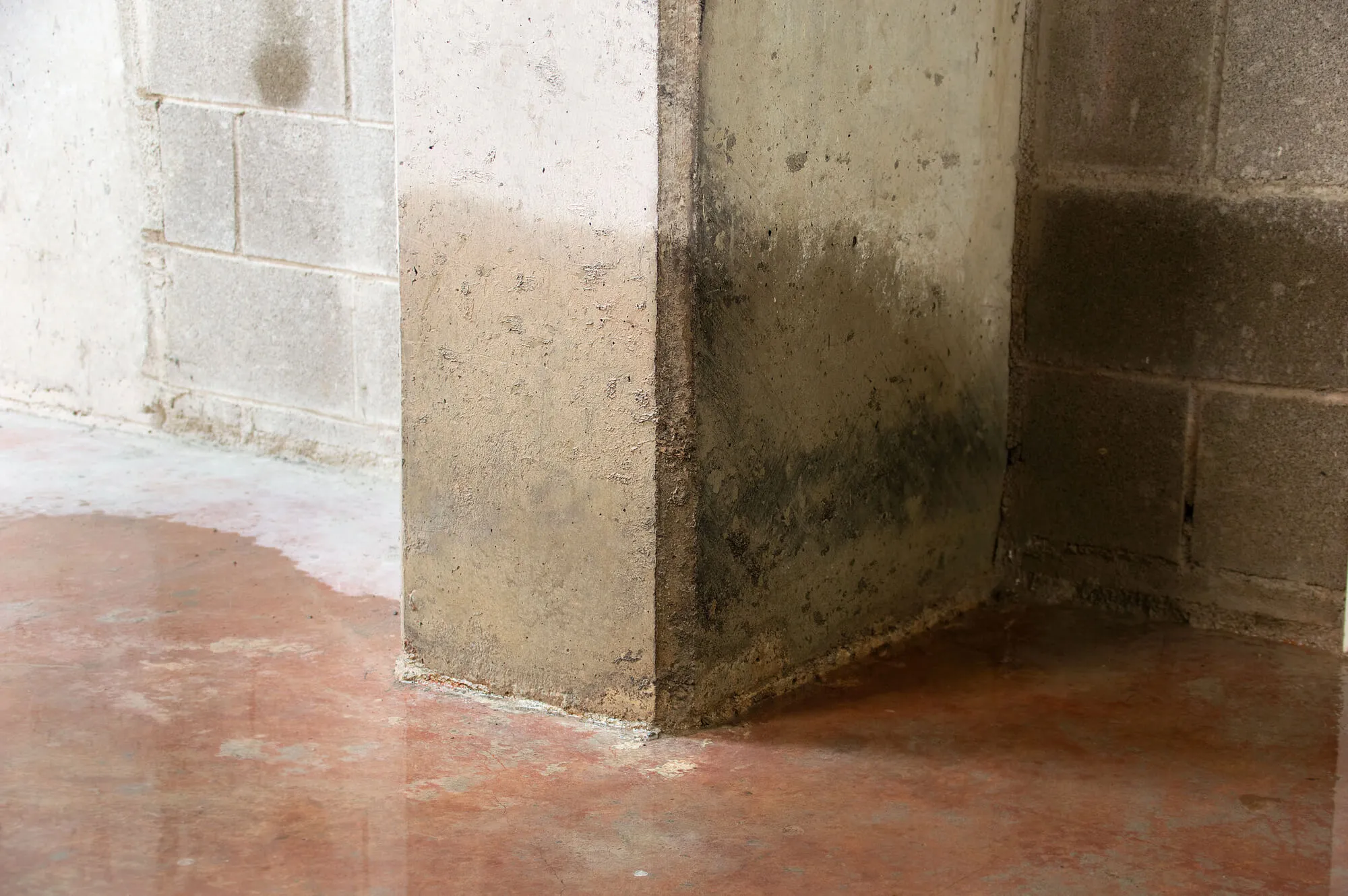
What Not to Do During a Floor Drain Backup
Some instinctive responses can make the problem worse.
Do Not Keep Flushing to “Push It Through”
Flushing again often increases pressure behind the blockage. If the line is restricted, additional water has nowhere to go and can lead to more overflow through the floor drain.
Avoid Chemical Drain Cleaners
Chemical products may not reach the blockage if it’s deeper in the line. They can also create hazards for anyone who later works in the pipe. If professional service is needed, chemicals can complicate the process.
Do Not Assume It’s Only the Floor Drain
A floor drain backup after flushing often points to a larger drainage issue. Treating it as a small, isolated clog may delay the right service and allow the problem to spread.
Common Causes Behind Floor Drain Backups After Flushing
This problem often stems from restrictions in the main drain or sewer line. Some causes are more common than others.
Grease and Buildup in Main Lines
Grease does not stay liquid once it cools. Over time, it coats the inside of pipes and traps debris. Even if the backup starts in the basement, the buildup may be developing elsewhere in the system.
Tree Roots in Underground Pipes
Tree roots seek moisture and can enter small cracks in underground lines. Once inside, they expand and trap waste. This creates recurring restrictions that get worse over time.
Non-Flushable Items
Wipes, hygiene products, and paper towels do not break down like toilet paper. Even small amounts can collect in bends, reducing flow until pressure pushes water back through the lowest drain.
Pipe Damage or Shifting Soil
Older pipes can crack or shift underground. A small collapse or sagging section allows debris to settle instead of flowing through. Over time, these weak spots become blockages.
How Professionals Diagnose the Real Source
Floor drain backups often look similar on the surface. The difference comes from what’s happening inside the line.
Drain Cleaning and Clearing
A professional team can clear the restriction using tools designed for deep drain lines, not just surface clogs. This often restores flow quickly and reduces the need for repeat backups.
Camera Inspections for Deeper Problems
If backups keep happening, camera inspection helps confirm what’s inside the pipe. It can detect root intrusion, heavy buildup, or damaged sections, ensuring an accurate repair plan.
System-Wide Evaluation
Professionals look at the whole plumbing system, not just the drain that overflowed. This helps prevent short-term clearing that fails a few weeks later.
When Floor Drain Cleaning Is the Smart Next Step
If flushing triggers water coming up through your floor drain, it’s rarely something to wait out. This kind of backup often signals restriction in the main line, and early action can reduce property damage and disruption. Professional floor drain cleaning restores flow, clears buildup, and helps your plumbing system operate the way it should.

Need Floor Drain Cleaning You Can Count On?
Omaha Drain helps homeowners respond quickly to basement backups and floor drain issues with dependable service and clear communication. Our team focuses on restoring safe drainage, identifying the cause, and helping prevent repeat problems through thorough cleaning and professional evaluation. If water is coming up through your floor drain after flushing, reach out to Omaha Drain for help getting your plumbing back under control.


